
Gold and Money Supply
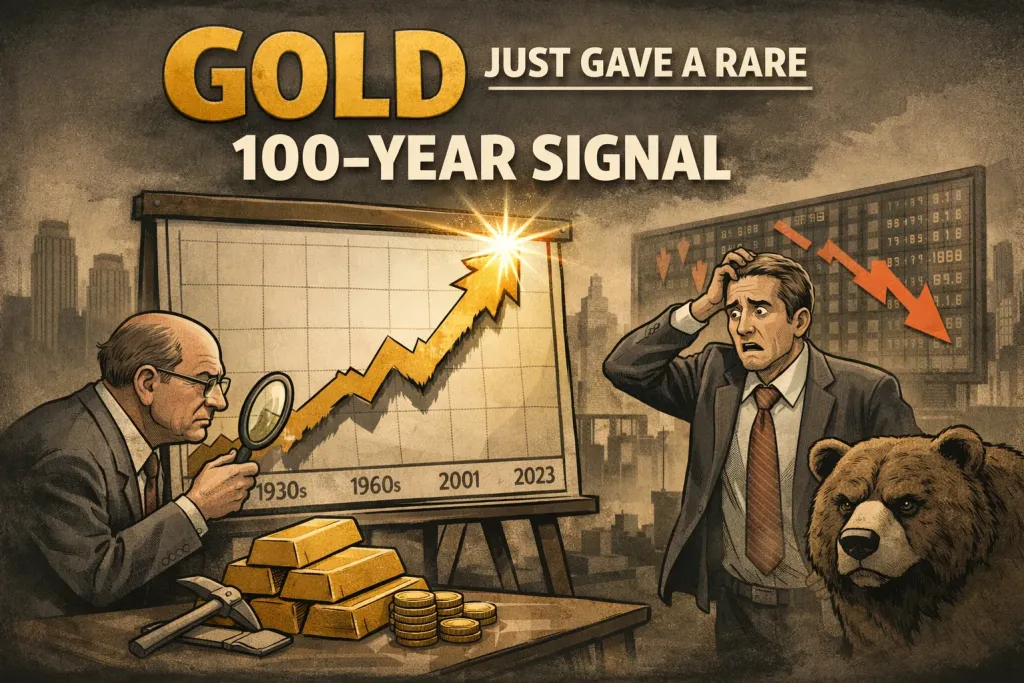
Gold has shown a close connection with money supply over a very long period. If we look at data from the last 60 to 70 years, gold prices have often moved in the same direction as the total money supply. Money supply means the total amount of money available in the economy. It includes both physical currency and the digital money created through the banking system.

A Strong Long-Term Pattern
The long-term trend is simple. When money supply grows quickly, gold prices usually rise as well. When money supply growth slows down, gold prices also tend to slow. This does not always happen at the same time. Sometimes gold moves first, while at other times it reacts after money supply starts rising. Even so, the overall long-term pattern has remained quite similar.
Why Gold Moved Early
The strong rise in gold over the last couple of years may have been an early signal that money supply could increase again. Many countries are dealing with high interest rates and large debt levels. In such a situation, increasing money supply may become necessary to support the economy. Gold appears to have started reacting before this change became fully visible.
Money Supply May Keep Growing
Looking at the bigger picture, it is very difficult to imagine a world where money supply stops growing for a long time. As economies expand and financial systems become larger, money supply usually keeps increasing. If this growth continues at a double-digit pace, gold may also continue to deliver strong long-term growth over time.
What This Means for Investors
For investors with a long investment period, gold can remain an attractive asset. Instead of worrying about short-term price movements, it may be better to focus on the long-term trend. If money supply keeps rising over the next 10, 15, or 20 years, there is a strong possibility that gold prices could also continue moving higher and provide healthy returns over the long run.