
How the World Buys Gold
Gold is popular across the world, but not everyone buys it in the same way. In the US, most people invest in gold through ETFs and futures, which are forms of paper gold. In countries like India and China, people prefer to own real gold in the form of jewellery, bars, and coins.

This shows a big difference in how people across the world view gold as an investment. While some prefer to invest in gold on paper, others want to hold the actual metal.
India and China Prefer Physical Gold
The difference between these markets is clear from the numbers. Only 29% of US gold demand comes from physical gold, while around 71% comes from non-physical forms. In China, 86% of gold demand is for physical gold. In India, this figure is even higher at 95%. Indians have a strong preference for owning gold they can hold, store, and pass on to future generations. Jewellery is a major part of gold demand in India, along with bars and coins. In China, however, bars and coins make up a larger share of demand than jewellery, showing a stronger focus on gold as an investment.
The US Leads in Gold ETFs
The total gold demand figures also show how differently these countries invest. Annual gold purchases stood at around 612 tonnes in the US, 925 tonnes in China, and 749 tonnes in India. However, the type of gold they buy is very different. The US bought around 437 tonnes through gold ETFs, compared with 133 tonnes in China and just 38 tonnes in India. Gold ETFs allow people to invest in gold without keeping the metal at home. This makes them a popular choice in the US. In India, most people still prefer physical gold over gold ETFs.
Is Paper Gold Riskier Than Physical Gold?
One key concern with paper gold is that investors may not have direct ownership of the actual metal. When someone buys a gold ETF, they own units of a fund rather than gold that they can personally hold. This creates a difference between owning gold and owning a financial product linked to gold. If a fund faces serious problems, investors may face losses or difficulties in getting their money back. Questions about how gold is held and whether the metal is properly backed can also raise concerns. Physical gold gives owners direct control over the metal, although it also comes with risks such as theft, storage costs, and making charges on jewellery.
Why Physical Gold Is Moving East
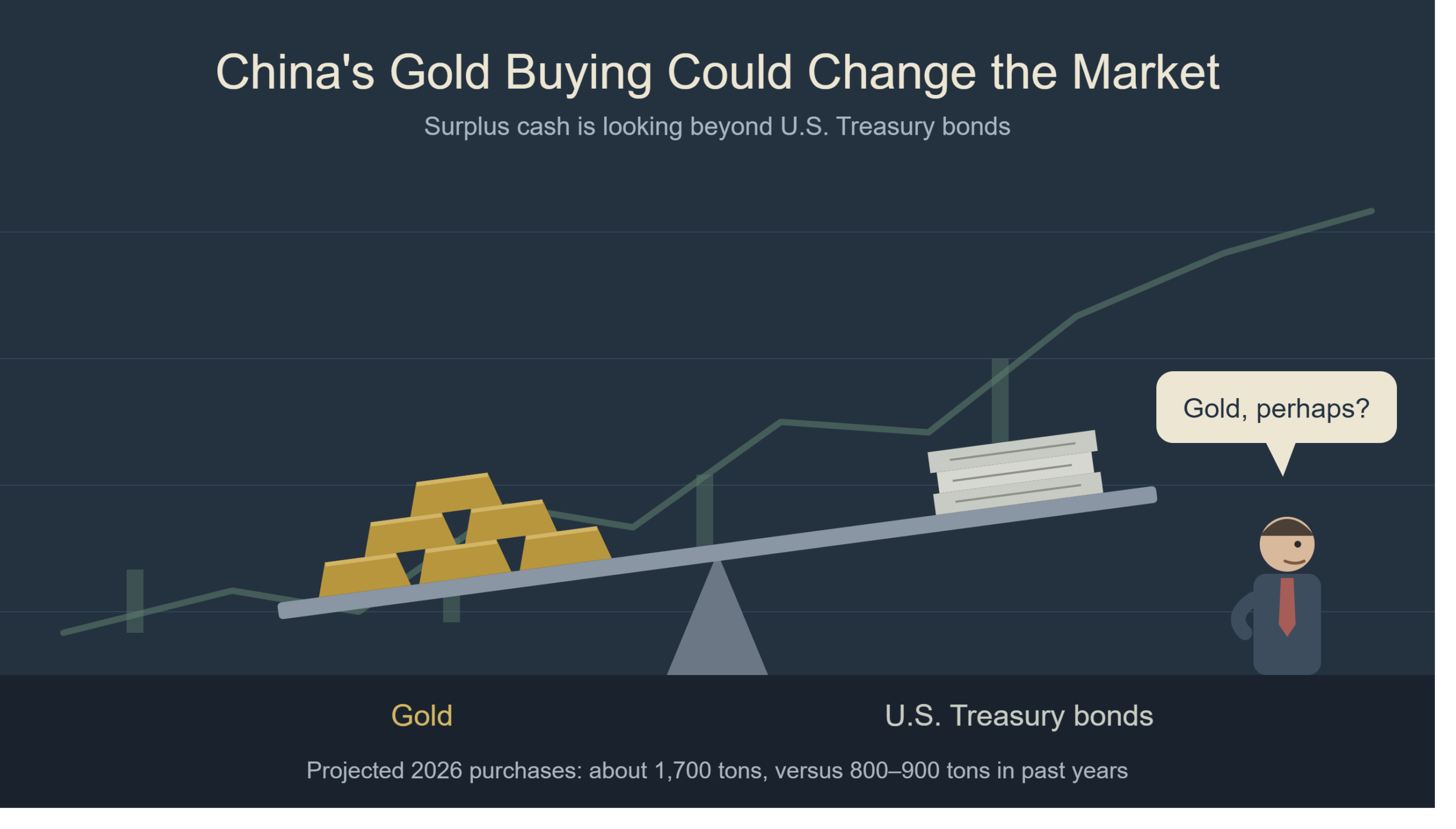
Physical gold is increasingly moving towards countries like India and China. As these countries buy more gold and take delivery of the actual metal, gold holdings in their vaults can rise while holdings in some Western vaults fall. This change may also be linked to a wider shift in how countries manage their money reserves. Countries such as India and China, along with Russia and others, may want to reduce their dependence on the US dollar. By holding more gold, they can keep part of their reserves in an asset that is not directly tied to the US monetary system. If the dollar loses value, gold may help protect some of their wealth.
Physical Gold vs Paper Gold: What Matters Most?
The debate between physical gold and paper gold is about more than just investment choices. It also reflects how people and countries think about safety, trust, and control over their wealth. Gold ETFs offer a simple way to invest without dealing with storage, while physical gold gives direct ownership of the metal. Both options have benefits and risks, so investors need to understand what they are buying.
As India and China continue to show a strong preference for physical gold, the global gold market may see further changes in where gold is held and how it is used. The key question is whether investors want exposure to gold through a financial product or prefer to own the metal itself.