
Dhanteras & Diwali Special Offer
Hi,
Wishing you & your loved ones a very happy Dhanteras and Diwali. 🪔
Want to know an interesting stat ?
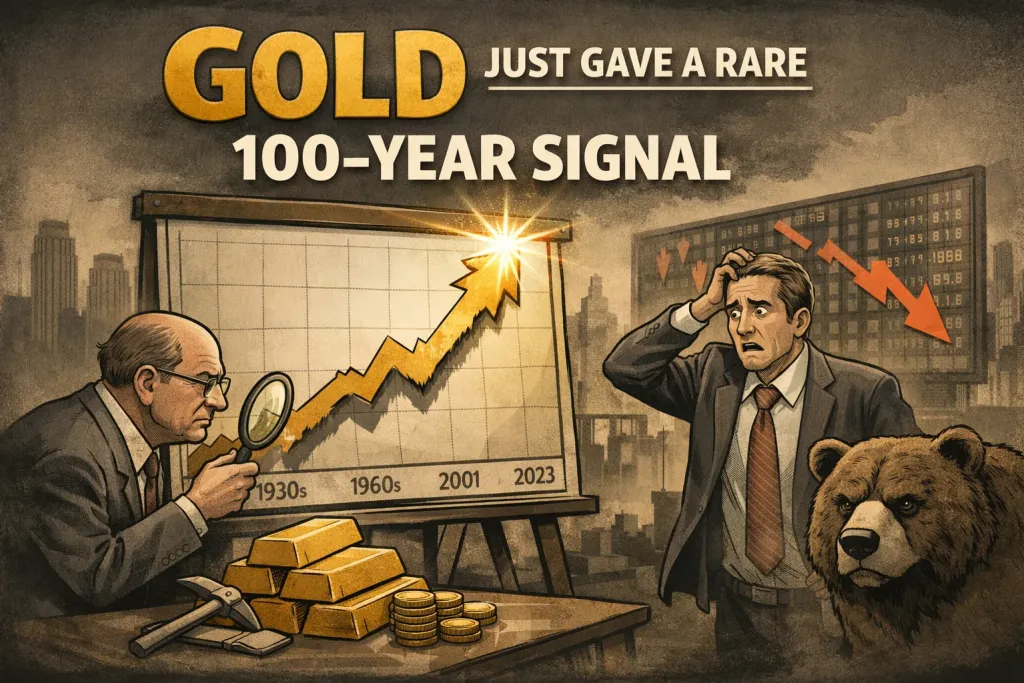
Since September 2024, gold in rupees is up about 81%, while the Nifty 500 is still down 8.7%. This Dhanteras, we looked at what a fixed 25% allocation to gold does to a portfolio, and the 27-year numbers are hard to ignore.

To mark the festival, take 35% off our asset-allocation strategies (Mi EverGreen, Mi Allcap GOLD & All Seasons) with code DIWALI26, valid till 8 November 2026.
Subscribe using the links below (auto-applies the discount)
1. Most Option Buyers Are Losing Money
New data from Zerodha has revealed some surprising facts about Futures and Options (F&O) trading in India. According to the data, only 10% of option buyers are profitable, while 40% of option sellers and 50% of futures traders make money.

These numbers are important because Zerodha has millions of customers, making its data a useful way to understand trading behaviour in the market. The results also raise an important question: Are retail traders choosing the wrong segment of the F&O market?
2. Option Buying Is Not as Safe as It Looks
Many new and less experienced traders believe that buying options is safer than selling options or trading futures. One reason is that option buying requires a smaller amount of money to get started. However, the numbers tell a completely different story. Option buying has the lowest success rate among these three trading segments. While 50% of futures traders are profitable, only 10% of option buyers manage to make money. This means that beginners may be moving towards a segment where their chances of success are actually much lower.
3. F&O Trading Activity Is Falling
Trading activity in the F&O market has also fallen sharply. Futures turnover has dropped by 53%, while options premium turnover has declined by 42%. At the same time, margin funding is increasing. Margin funding allows traders to borrow money to buy stocks and take positions in the market. Despite the fall in overall trading activity, options still account for around 90% of total F&O activity. This shows how heavily the market depends on options trading, even when the profitability of option buyers remains very low.
4. Cheap Options Can Slowly Destroy Your Capital
One of the biggest mistakes made by retail traders is thinking that cheap options are low-risk investments. But a low option premium does not mean there is no risk. For example, buying an option for a small amount may look like an easy way to enter the market. However, if the trade keeps failing, these small losses can happen again and again. Over time, repeated losses can eat into your trading capital. The real risk is not just losing money in one trade but continuing to make similar losing trades without understanding the chances of success.
5. Higher Trading Costs Are Changing Market Behaviour
Higher Securities Transaction Tax (STT), increased margin requirements and changes in lot sizes are also affecting the F&O market. These changes are making futures trading and option selling more difficult or expensive for some traders. As a result, many smaller traders may be moving towards option buying because it requires less money to enter a trade. However, this shift is also creating another problem. Lower trading activity is reducing market liquidity, which means there is a wider gap between buying and selling prices. These wider spreads can increase trading costs and make it harder for traders to enter and exit positions at the prices they want.
6. Choose Your Trading Segment Carefully
The biggest lesson from these numbers is that traders should not choose a trading segment simply because it looks cheap or easy to enter. They should first understand the risks and the chances of making money. Futures trading and option selling also carry serious risks, and their higher profitability numbers do not guarantee future success. However, when one segment has only 10% profitable traders, it is important to think carefully before entering it. If you choose a segment where most traders are losing money, you need strong skills, discipline and risk management to become one of the few who succeed. In trading, a small entry cost does not always mean a small risk.